
What is healthcare PPC?
Healthcare PPC is a paid advertising strategy that places medical practices at the top of search engine results when patients actively look for care. It focuses on targeting high-intent keywords, managing ad spend efficiently, and generating measurable patient inquiries through compliant, conversion-driven campaigns.
How Healthcare PPC Captures High-Intent Patients at the Right Moment
Patients are actively searching online for healthcare services, often making decisions within minutes of their initial query. Practices that do not appear at the top of search results risk losing high-intent patients to competitors who are easier to find. Healthcare PPC ensures your practice is visible at the exact moment patients are ready to book care. This page explains how a healthcare PPC agency structures campaigns, manages budgets, and delivers healthcare PPC services that generate consistent patient inquiries.
Get Your Free Manufacturing Google Ads AnalysisWhat Healthcare PPC Does for Your Practice
Healthcare PPC drives immediate patient acquisition by placing your practice in front of high-intent searches and converting that visibility into scheduled appointments, phone calls, and measurable revenue growth.
How PPC Captures High-Intent Patients
When a patient searches for a provider, they are often ready to act. Showing up at the top of search results captures that urgency and turns it into booked appointments instead of missed opportunities. PPC for healthcare delivers traffic that is already motivated, which leads to higher-quality inquiries and more consistent patient flow.
How PPC Increases Calls and Appointments
Call volume increases because ads are built around actions. Click-to-call functionality, location extensions, and mobile-first design make it easy for patients to contact your practice instantly. Instead of browsing multiple websites, they engage with the first credible option they see—your practice.
How PPC Impacts Revenue Growth
Revenue grows as campaigns are optimized around cost per acquisition rather than just clicks. High-value treatments, urgent care needs, and specialty services can be prioritized to maximize return without wasting spend on low-converting searches.
How PPC Expands Visibility
Visibility expands beyond organic reach. Even if your website does not rank at the top naturally, healthcare PPC ensures your practice is consistently seen in premium search positions. This keeps your brand in front of patients throughout their decision-making process and reinforces trust through repeated exposure.
Key outcomes healthcare PPC supports:
- Consistent flow of qualified patient inquiries
- Increased inbound calls and appointment requests
- Higher return on marketing spend through targeted campaigns
- Stronger visibility in competitive local markets
The result is a predictable system for generating new patients, filling schedule gaps, and scaling growth based on real-time demand.
How does healthcare PPC generate more patients?
Healthcare PPC generates more patients by placing your practice at the top of search results when people are actively looking for care. It targets high-intent keywords, driving immediate traffic from users ready to book. With optimized landing pages and conversion tracking, these clicks turn into calls, appointments, and consistent patient growth.
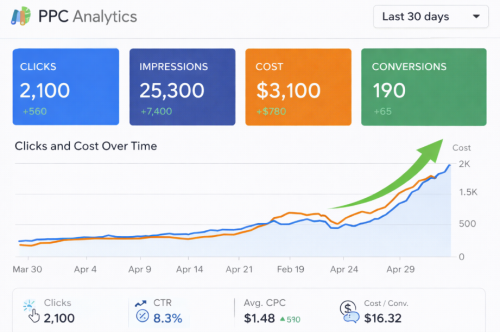
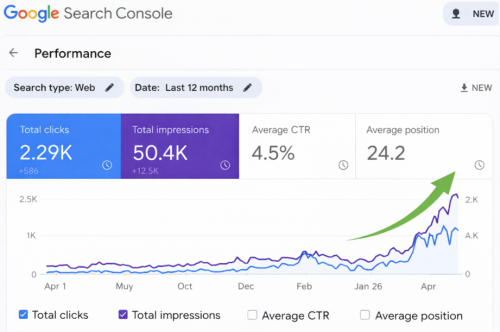
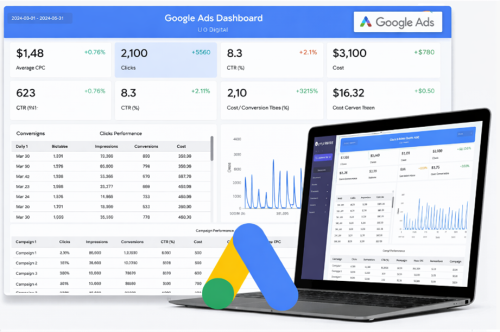
Why Healthcare PPC Matters for Patient Acquisition
Healthcare PPC matters because patients choose providers based on visibility at the exact moment they search, and practices that are not present in those results lose immediate opportunities to competitors.
What Happens Without Healthcare PPC
When your practice does not appear at the top of search results, patients do not scroll—they select from the first few options they see. That means every missed impression is a lost patient who books elsewhere.
Competitors who invest in PPC for healthcare consistently capture that demand, filling their schedules while yours remains dependent on slower or less predictable channels.
Short-Term Impact on Patient Volume
The short-term impact is immediate and measurable. Appointment slots go unfilled. Front desk staff handle fewer inbound calls. Marketing efforts that rely solely on organic traffic or referrals cannot respond quickly enough to changes in demand. If there is a slow week, a seasonal dip, or a sudden need to increase patient volume, there is no reliable system in place to correct it quickly.
Missed revenue follows directly behind missed visibility. High-value procedures, specialty services, and urgent care needs are all driven by search behavior. When your practice is not positioned to capture those searches, that revenue shifts to competitors who are actively advertising. Over time, this creates a gap that becomes harder to close.
Long-Term Competitive Impact
The long-term impact compounds. Competitors who consistently run healthcare PPC campaigns build stronger brand recognition in your local market. Patients begin to associate those names with availability and trust simply because they see them more often. That repeated exposure reinforces their position, making it increasingly difficult for your practice to compete without paid visibility. Consistent visibility across platforms, including healthcare social media marketing, reinforces brand recognition and strengthens patient trust over time.
Why SEO Alone Is Not Enough
At the same time, relying only on long-term strategies like SEO delays growth. While organic rankings are essential, they take months to develop and cannot always be controlled in the short term. Without PPC, there is no mechanism to generate immediate patient volume while those efforts mature.
Over time, the absence of a structured healthcare PPC strategy leads to:
- Inconsistent patient flow and unpredictable scheduling
- Ongoing loss of high-intent patients to competitors
- Reduced revenue from missed treatment opportunities
- Limited control over how quickly your practice can grow
Healthcare PPC works best when integrated into a broader healthcare digital marketing strategy that aligns visibility, engagement, and conversion across every channel.
Is healthcare PPC worth it for medical practices?
Yes, healthcare PPC is worth it because it delivers immediate visibility and attracts patients who are ready to take action. Unlike SEO, which takes time, PPC generates fast results and measurable ROI. When managed correctly, it produces consistent leads, fills schedule gaps, and allows practices to scale patient acquisition on demand.
How Healthcare PPC Works to Generate Patients
Healthcare PPC works by aligning high-intent patient searches with targeted ads and optimized landing pages. Each campaign is built around matching what patients are actively searching for with the most relevant services your practice offers. Pages supported by a strong search engine optimization strategy, such as healthcare SEO, also benefit from improved trust and engagement, increasing the likelihood that a visitor becomes a patient.
Research
Every campaign begins with understanding exactly what prospective patients are searching for. This includes identifying high-intent keywords tied to specific conditions, treatments, and urgent care needs. Instead of targeting broad, expensive terms, campaigns focus on searches that signal readiness to book, such as procedure-specific or symptom-based queries.
Competitor analysis is also part of this stage, revealing where other practices are investing and where opportunities exist to capture overlooked demand. This ensures the budget is directed toward searches that produce real patient inquiries, not just traffic.
On-Page Optimization
Once keywords are identified, landing pages are structured to match search intent precisely. Titles, headers, and page content are aligned with the specific service or condition being advertised, ensuring consistency from search to click to conversion.
A patient searching for a specific treatment should land on a page that immediately confirms they are in the right place. Clear messaging, organized content hierarchy, and relevant service details reduce confusion and increase the likelihood of action. Structuring content for healthcare AEO also improves how your pages are understood by search engines and AI-driven results, increasing visibility beyond traditional rankings. Visual consistency also matters, and healthcare graphic design helps strengthen ad-to-page alignment through branded visuals that improve trust and create a more cohesive patient experience.
Content Strategy
Effective healthcare PPC depends on the quality and relevance of supporting content. Campaigns perform best when they direct traffic to pages built around specific services and patient needs.
A well-structured content strategy ensures that each ad has a dedicated destination designed to convert, such as a page built through healthcare website design that supports usability, patient trust, and conversion-focused structure.
Technical SEO
Technical performance directly impacts conversion rates. Landing pages must load quickly, function seamlessly on mobile devices, and be properly indexed to maintain visibility and quality scores within ad platforms.
Slow load times or broken functionality lead to immediate drop-offs, wasting ad spend. Mobile optimization is especially critical, as most healthcare searches happen on smartphones where patients expect fast, frictionless experiences. Ongoing performance improvements supported by healthcare website maintenance ensure your pages remain fast, secure, and fully functional as campaigns scale.
Local SEO
Geographic targeting is a core component of PPC for healthcare. Campaigns are configured to show ads only to patients within your actual service area, preventing wasted spend on irrelevant clicks.
Integration with your Google Business Profile optimization strengthens local visibility and reinforces trust signals like reviews and location accuracy. Dedicated location pages further support this strategy by connecting specific services to the areas you serve, helping patients quickly confirm proximity and availability.
Conversion Optimization
Driving traffic is only part of the process—converting that traffic into patients is where results are made. Forms are simplified to reduce friction, calls-to-action are placed strategically throughout the page, and user flow is designed to guide patients toward booking without distraction.
Pages supported by strategies like healthcare SEO also benefit from improved trust and engagement, increasing the likelihood that a visitor becomes a patient.
When these components work together, healthcare PPC becomes a controlled, scalable system. The result is a campaign that not only generates traffic, but reliably turns that traffic into scheduled appointments and sustained practice growth.
How quickly does healthcare PPC start working?
Healthcare PPC can start generating traffic and patient inquiries within days of launching a campaign. However, performance improves over time as data is collected and optimized. Most practices see meaningful increases in lead quality, lower cost per acquisition, and more consistent appointment bookings within 60 to 90 days.
PPC for Healthcare Case Studies
How PPC Helped a Primary Care Practice Increase Patient Appointments – Ithaca, New York
A regional primary care practice wanted to increase new patient appointments in a highly competitive local market. Their existing online presence was not generating enough immediate leads, and organic efforts alone were not producing results fast enough. A targeted PPC campaign was launched focusing on high-intent search terms related to primary care services, same-day appointments, and location-based searches. Ad copy was written to emphasize convenience, trust, and easy appointment scheduling, while landing pages were built to match patient search intent. Over time, the campaign helped the practice increase qualified website traffic, generate more appointment requests, and improve visibility for services that patients were actively searching for online.
How a Pain Management Provider Used PPC to Generate More Qualified Leads – Rapid City, South Dakota
A specialty healthcare provider offering pain management services needed a way to attract more qualified leads without wasting budget on broad, low-converting traffic. A structured PPC strategy was developed around specific treatment-related keywords, local targeting, and service-focused ad groups designed to match patient needs more closely. The campaign also used conversion tracking to identify which keywords and ads were driving the most calls and form submissions. With ongoing optimization, the provider saw stronger lead quality, better cost efficiency, and a more predictable flow of patient inquiries. PPC gave the practice a faster path to visibility in search results and helped connect with patients ready to seek treatment.
How a Multi-Location Healthcare Group Expanded Patient Acquisition With PPC – Flagstaff, Arizona
A multi-location healthcare group wanted to grow patient acquisition across several service areas while maintaining consistent brand messaging. Their challenge was reaching potential patients in different local markets without running one generic campaign that failed to speak to each audience. A location-specific PPC strategy was implemented with separate campaigns for each office, customized ad copy, and landing pages aligned with the services offered in each market. This allowed the group to improve relevance, increase click-through rates, and generate more localized appointment opportunities. As the campaign matured, the healthcare group gained stronger market visibility, better control over advertising spend, and a scalable system for driving patient growth across multiple locations.
Can healthcare PPC help small or private practices grow?
Yes, healthcare PPC is highly effective for small and private practices because it allows them to compete with larger providers in search results. By targeting specific services and local searches, smaller practices can attract high-intent patients, increase bookings, and create a predictable system for steady growth without relying only on referrals.
How to Choose the Right Healthcare PPC Agency
Choosing the right healthcare PPC agency determines whether your campaigns generate real patients or waste budget on unqualified clicks. The difference comes down to industry experience, a clear process, and a focus on measurable results.
What to look for starts with experience in healthcare specifically. Medical advertising is not the same as other industries. Compliance requirements, patient behavior, and higher cost-per-click rates all require a specialized approach. An agency that understands how to structure campaigns for patient acquisition will avoid costly mistakes and build strategies that align with how people actually search for care.
Process is equally important. A reliable healthcare PPC agency should have a defined system for research, campaign structure, landing page alignment, and ongoing optimization. Without a clear process, campaigns become reactive instead of strategic. You should know how keywords are selected, how budget is allocated, and how performance is improved over time. This level of structure ensures consistency and scalability.
Results should always be tied to patient acquisition, not vanity metrics. Clicks and impressions do not matter if they do not turn into calls or appointments. Strong providers track cost per lead, call volume, and conversion rates, connecting campaign performance directly to revenue. Agencies that also support services like healthcare SEO can align paid and organic strategies for more consistent long-term growth.
What most providers get wrong is applying generic marketing strategies to healthcare. Agencies without medical experience often target broad keywords, ignore compliance risks, and fail to understand patient intent. This leads to wasted ad spend, low-quality leads, and inconsistent results. Healthcare requires precision, not guesswork.
What actually matters is simple: leads, calls, and return on investment. Your campaigns should produce a steady flow of qualified patient inquiries and allow you to scale based on demand. Agencies that understand how to connect paid campaigns with conversion-focused assets, such as optimized pages supported by healthcare website design, are better positioned to deliver results that impact your bottom line.
The right partner gives you control over patient acquisition, not just visibility.
Healthcare PPC ROI and Patient Acquisition Data
Google Ads provides measurable return on investment, with businesses earning an average of $2 in revenue for every $1 spent on search advertising. This demonstrates the direct revenue impact of paid search when campaigns are properly optimized
Healthcare organizations continue increasing investment in digital advertising as patient decision-making shifts online, with research showing patients actively evaluate providers through digital channels before booking care, reinforcing the importance of paid search visibility
Healthcare paid search campaigns average around a 5% conversion rate, demonstrating that PPC effectively captures high-intent patients actively searching for medical services and providers online.
Healthcare PPC That Delivers Fast Visibility and Qualified Patient Leads
MFG Wellness provides targeted healthcare PPC services designed to put your practice in front of potential patients at the exact moment they are searching for care. Our PPC services for healthcare offer immediate visibility and can generate faster results, helping healthcare providers increase appointment requests and drive more qualified leads.
With more than 30 years of combined marketing experience and over 25 years of direct experience in the medical field, our team understands how to create high-performing advertising campaigns in the healthcare industry. Effective healthcare PPC goes beyond simply launching ads. It requires strategic keyword targeting, compelling ad copy, audience segmentation, landing page optimization, and continuous management to maximize return on investment.
Our expertise in healthcare PPC allows us to create customized campaigns tailored to your specialty and business goals. Whether you need Google Ads management, local service ads, retargeting campaigns, display advertising, call-focused campaigns, or conversion tracking, our team helps drive targeted traffic and improve lead generation.
Our background in the social sciences through Harrisburg Area Community College gives us insight into consumer behavior and what motivates people to take action when seeking healthcare services. This perspective helps us create ad campaigns and messaging that connect with your audience and encourage conversions.
MFG Wellness leadership has been featured in an interview with Fox Business discussing economic conditions and business strategy. This recognition highlights the expertise and strategic thinking behind the healthcare-focused marketing solutions we provide.
When healthcare providers partner with MFG Wellness, they gain a dedicated team focused on increasing visibility, lowering acquisition costs, and driving measurable growth through effective PPC advertising strategies.
What should I look for in a healthcare PPC agency?
You should look for a healthcare PPC agency with proven experience in medical marketing, a clear campaign process, and a focus on patient acquisition metrics. The right agency understands compliance, targets high-intent keywords, and tracks calls and appointments—not just clicks—to ensure your campaigns generate real return on investment.
Frequently Asked Questions About Healthcare PPC
How long does it take to see results from healthcare PPC?
Most campaigns begin generating initial traffic and inquiries within the first few days of launch. However, meaningful performance improvements come over time as data is collected and optimized. Expect clearer trends in lead quality, cost efficiency, and appointment volume within the first 60 to 90 days.
Is healthcare PPC only for large practices?
No. Healthcare PPC is highly effective for small and mid-sized practices because it allows you to compete directly with larger organizations in search results. With the right targeting and budget control, smaller practices can capture high-intent patients without needing massive marketing resources.
What platforms are used for healthcare PPC campaigns?
Most healthcare PPC campaigns focus on Google Ads because it captures patients actively searching for care. Depending on the strategy, campaigns may also include display advertising or retargeting to stay visible to patients who have already visited your site but have not yet booked an appointment.
Can healthcare PPC work for specialized treatments or niche services?
Yes. In fact, PPC performs especially well for specialized services because campaigns can target very specific searches. This allows you to reach patients looking for particular treatments or conditions, reducing wasted spend and improving the likelihood of converting those searches into appointments.
Do I need a new website to run healthcare PPC?
Not always, but your existing website must be optimized to convert traffic. If pages are slow, unclear, or difficult to navigate, ad performance will suffer. In many cases, improving or creating dedicated landing pages is enough to significantly increase results without rebuilding your entire site.
How Healthcare PPC Drives Predictable Patient Growth
Healthcare PPC gives your practice a reliable way to generate patient inquiries, increase visibility, and support consistent growth. Instead of relying on unpredictable channels, you gain control over how and when new patients find you. By focusing on high-intent searches, optimized campaigns, and conversion-driven landing pages, your marketing efforts translate directly into calls and booked appointments. The result is a steady flow of opportunities that can scale with your schedule and business goals.
Stop Wasting Money on Ineffective Healthcare Ads
Every day your campaigns underperform is a day prospective patients find a competitor instead. MFG Wellness audits your current campaigns, identifies where budget is being wasted, and rebuilds around a strategy designed to produce appointments. We bring compliance expertise, healthcare-specific keyword knowledge, and more than a decade of medical practice campaign management to every engagement.